Intrinsically Disordered Protein Analysis via HDX-MS.
Reveal the Structural Dynamics and interactions of Difficult-to-Drug Intrinsically Disordered Protein (IDPs) targets using HDX-MS.
Intrinsically Disordered Proteins.
The Opportunity for Intrinsically Disordered Proteins
Intrinsically disordered proteins are important and prevalent in many signaling and disease pathways, making them interesting targets for therapeutic research and development. However, until recently, these proteins have been considered undruggable. Recent successes with modulating their interactions has turned attention back to these targets, with implications in:
- Cancer
- Neurodegenerative diseases
- Viral infections
- Immune regulation
- Gene regulation and cell signaling
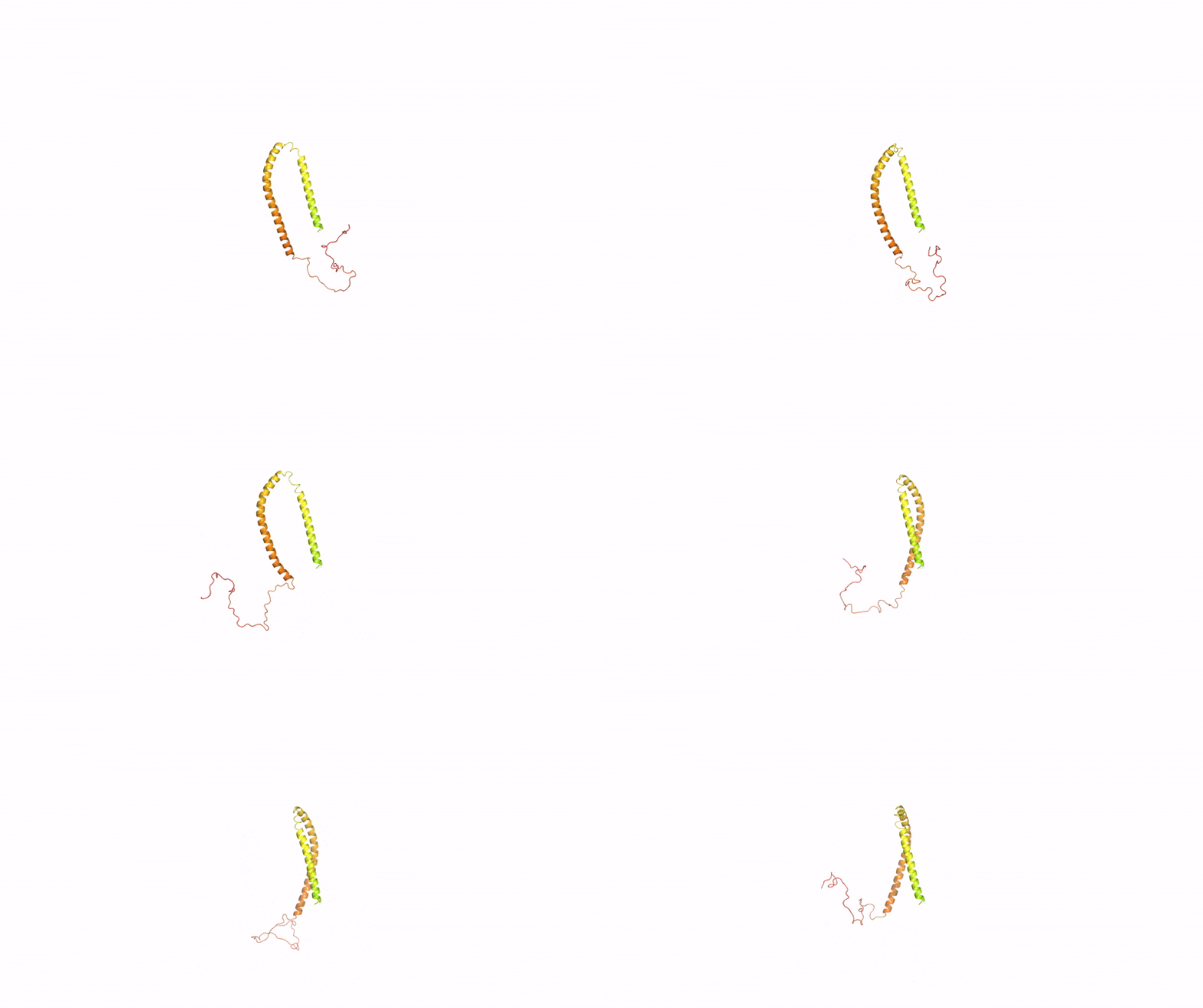
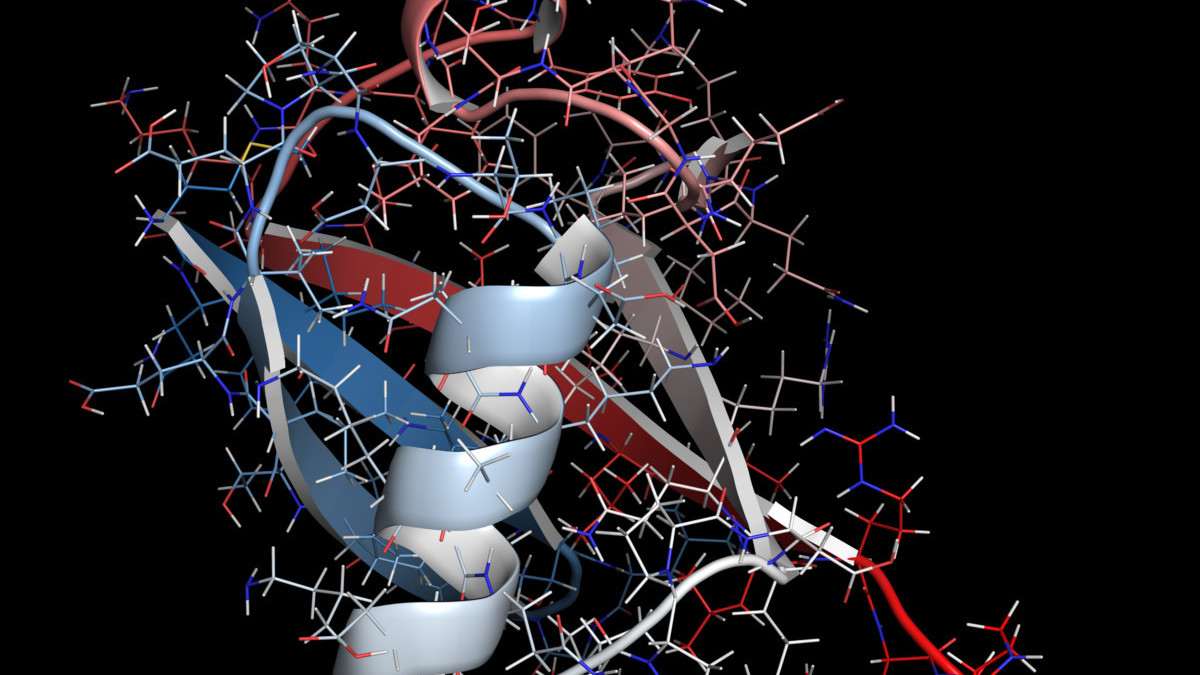
Visualization of the dynamic structure of an intrinsically disordered protein, alpha-synuclein.
How IDP Analysis Works.
Hydrogen-Deuterium Exchange for IDP Analysis
Hydrogen-Deuterium Exchange Mass Spectrometry (HDX-MS) is particularly effective for studying highly dynamic proteins because it measures protein flexibility and structural changes directly in solution. Unlike many traditional structural analysis methods, HDX-MS can analyze:
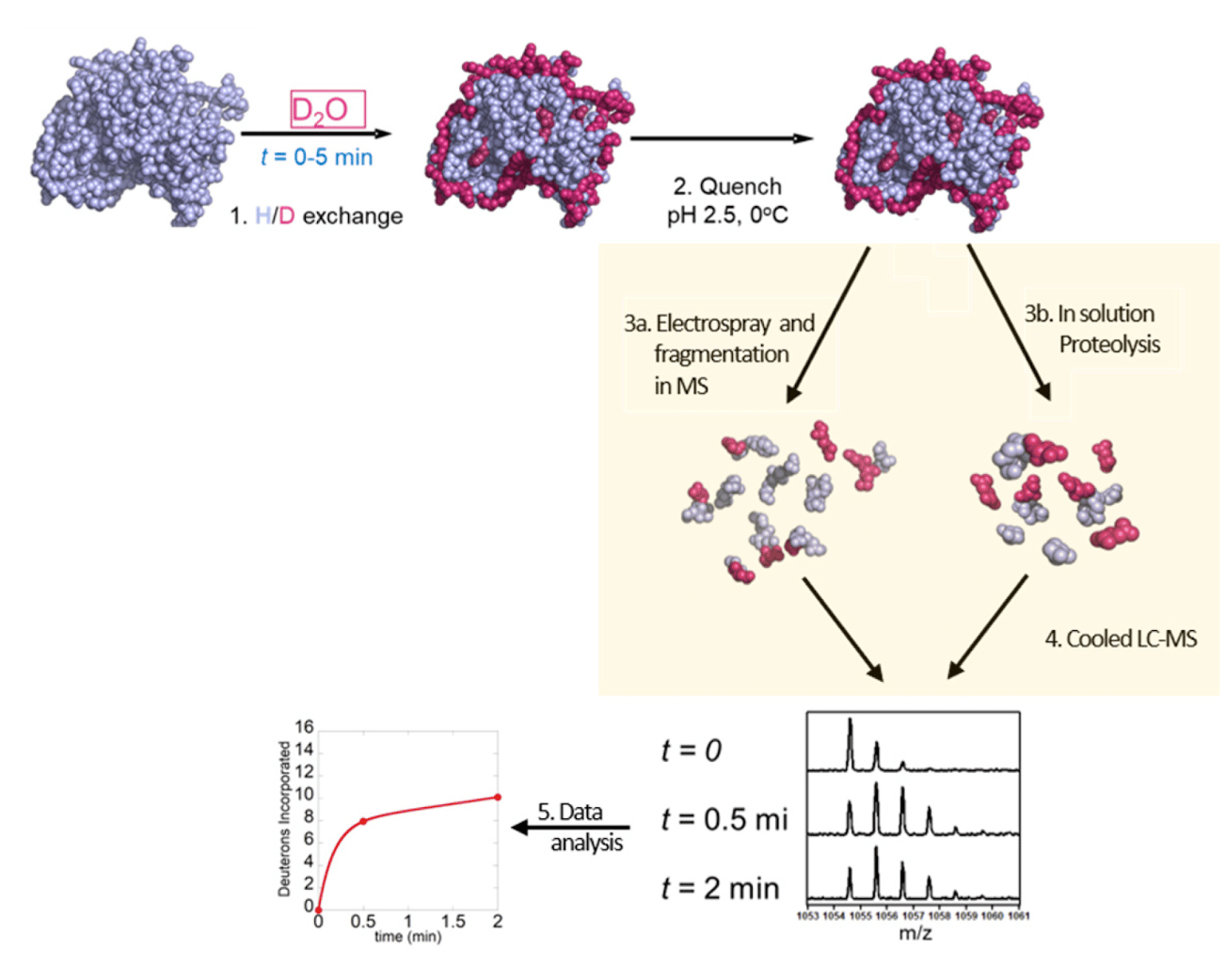
The HDX-MS Experimental Workflow
Hydrogen-Deuterium-eXchange Mass Spectrometry (HDX-MS) measures the exposure levels of amide hydrogen atoms on the surface of a protein or protein complex. The first step causes the exposed hydrogen atoms to be readily exchanged with deuterium. Hydrogen atoms that are buried within the protein structure – for instance at the binding site of an antibody-antigen complex – are not exchanged as readily. By examining the peptides using Bottom-up mass spectrometry, and comparing them with the amino acid sequence, it is then possible to determine which regions are the binding locations between the interacting partners, or regions of conformational change.
- Labeling – incubate different fractions with D2O solution in a time series
- Quench – chill and control temperature to prevent further exchange or back-exchange
- Digest – prepare peptides for analysis
- LC-MS/MS
- Data processing – determine deuterium uptake of digested peptides acid and identify binding site(s)
- Comparison – compare similar samples – e.g. antibodies with similar sequences
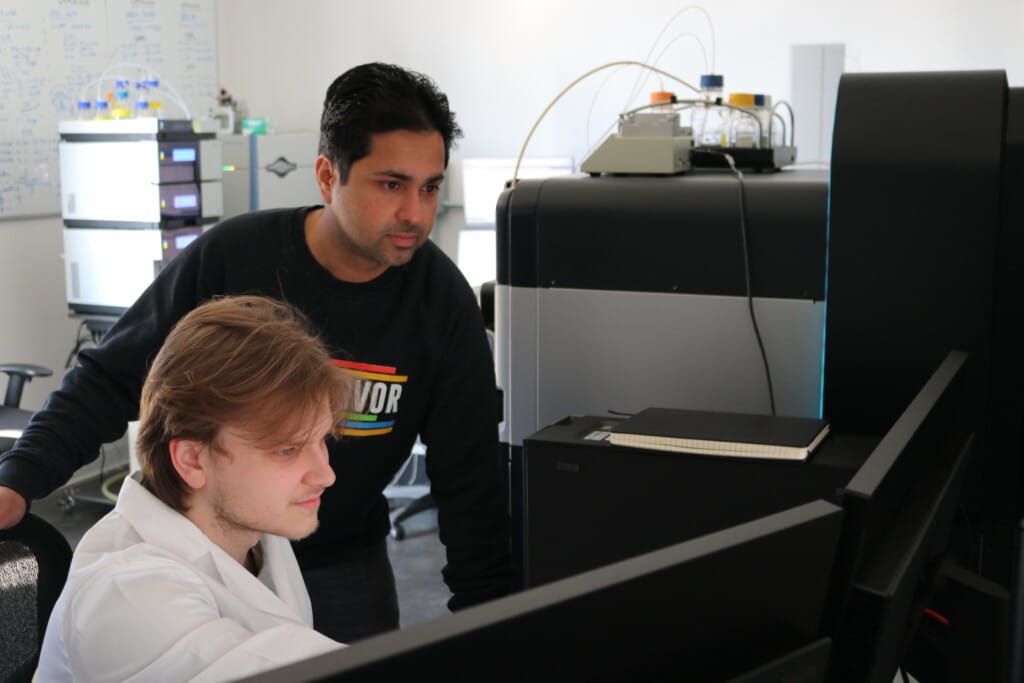
Advantages of HDX-MS Services for IDP analyses.
Pre-built workflows.
HDX Epitope Mapping
- Detailed analysis of one (or a few) binding partner against one IDP
- Turn-around time: 3-4 weeks
HDX Epitope Screen
- Quickly find the epitope locations of dozens of molecules against an IDP
- Applicable for antibodies and small molecules
- Turn-around time: 3-4 weeks
HDX Dynamic Analysis
- Study conformational changes over time, under specific conditions.
- Turn-around time: 4-6 weeks
HDX Custom Analysis
- Please inquire
Getting Started.
Requirements
- 200μg of the IDP target
- For epitope mapping studies with antibodies: 200μg of the monoclonal antibody for each epitope
- For other proteins: 20 μM of each
- For small molecules: please inquire
- Protein sequence (e.g. of the antigen)
- Antibody sequences (only required for paratope mapping service)

Talk to Our Scientists.
We Have Sequenced 9000+ Antibodies and We Are Eager to Help You.
Through next generation protein sequencing, Rapid Novor enables timely and reliable discovery and development of novel reagents, diagnostics, and therapeutics. Thanks to our Next Generation Protein Sequencing and antibody discovery services, researchers have furthered thousands of projects, patented antibody therapeutics, and ran the first recombinant polyclonal antibody diagnostics